Green Buildings Rising: Why Structure Items Issue
What Is A Green Structure And The Advantages To Homeowners Despite the clear benefits, difficulties such as high initial expenses, restricted schedule, and Have a peek at this website resistance to alter have reduced the prevalent adoption of environment-friendly materials. Nonetheless, with proceeded advancement in material Renewable Energy production, financial motivations from governments, and academic initiatives within the market, these barriers can be overcome. Plan support, in particular, plays an essential duty in driving fostering, as federal governments can assist produce frameworks that urge sustainable building and construction practices with aids, guidelines, and global partnership. Materials that decrease waste, conserve natural deposits, and advertise renewable resources will see widespread adoption in the construction field in the coming years. Financially, the use of environment-friendly structure products presents several benefits too. While they may come with a higher in advance price, the lasting savings are considerable. It is made use of in a selection of applications, from flooring and furniture to structural elements. Steel is exceptionally sturdy and very recyclable, implying it can be reused without shedding quality, helping to conserve resources and reduce waste. Their production using recycled web content or sustainable materials appeal to environmentally-conscious consumers. With climbing ecological consciousness, lots of consumers currently favor homes developed with eco-friendly attributes like energy-efficiency, much healthier interior atmospheres, and lower carbon footprint. Taking on lasting structure methods contributes to constructing long life, lowering the need for pricey repair work and renovations. Environmentally friendly materials are often more resilient and need much less maintenance in time, leading to a much longer lifespan for the framework. Furthermore, these products add to buildings' strength, aiding them stand up to climate-related difficulties like extreme weather. Living roofs and green walls have acquired popularity as they supply countless ecological advantages. They improve energy effectiveness by enhancing insulation, taking care of stormwater runoff, and adding to biodiversity. Green building accreditations play a critical function in ensuring that buildings meet high sustainability standards. These qualifications not just advertise ecological responsibility yet also help overview programmers, engineers, and specialists in developing buildings that are energy-efficient, resource-conserving, and healthy for owners. A number of widely recognized certification systems exist, each concentrating on various aspects of sustainability, but all eventually goal to decrease the negative ecological impacts of construction and building operations. All-natural insulation products, such as cellulose, sheep woollen, or cotton, successfully regulate thermal power while reducing energy consumption. Builders and designers may be reluctant to attempt environment-friendly materials because they are unfamiliar with them, or they may fear that these materials won't do along with conventional choices. Additionally, many building professionals might be hesitant to spend time and resources into finding out about new products or changing established structure techniques. This resistance is compounded by the illiteracy and training programs available to those in the industry, which might assist foster greater acceptance of environment-friendly building solutions. One more substantial obstacle is the schedule and access of sustainable materials. Eco-friendly structure products are not always conveniently available in all areas, especially in locations where the supply chain for these materials is underdeveloped. For instance, products like bamboo, which are swiftly sustainable, or specialized insulation materials, could not be easily sourced in certain parts of the world.
- Green Structure Council (USGBC) introduced LEED v5, the latest variation of its front runner LEED (Management in Energy and Environmental Design) eco-friendly structure program.
- As a result, these locals can enjoy far better wellness because there is less water and air contamination threat.
- Research study has actually revealed medical facilities with eco-friendly infrastructure can quicken recuperation time by 15% and minimize the price of additional infections by 11%.
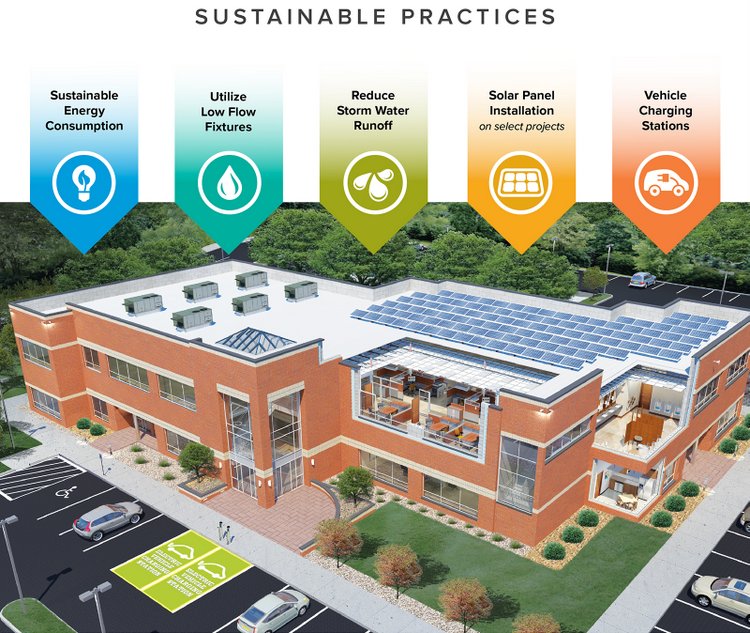
- These environment-friendly building products use considerable advantages in lowering environmental influence, conserving power prices, and creating much healthier structure atmospheres.
- Nonetheless, green structures are made as though it can promote the harvesting of rain.
Building A Much Better Future With Lasting Structure Products
What are the pros and cons of environment-friendly buildings?
Pro: Green buildings make use of extra effective and eco-friendly materials for building and construction, such as straw, recycled steel, concrete, sheep''s woollen, compressed earth blocks, lumber, and bamboo. 5 All of these are recyclable, multiple-use, and safe. Disadvantage: Structure products that are effective and eco-friendly can be extra pricey.
Recycled Materials
It focuses on locations such as power, water, interior atmosphere high quality, and waste monitoring. NABERS is extensively utilized in the industrial realty industry to demonstrate ecological efficiency to renters and financiers. This earnings is reported as "tidy" relative to its positioning with UN Sustainable Advancement Goals (SDGs) 11 and 13. Key fads include increasing use of recycled products (plastics, timber waste), lightweight and high‑performance insulation, prefabricated/modular construction, and bio‑based or engineered woods like CLT and glulam. The Asia Pacific region has become the fastest expanding market for environment-friendly building materials worldwide. Nations like China, India, and Indonesia occupy a significant part of continuous construction jobs, driven by quick urbanization and infrastructure growth. Positive government plans advertising power performance and use of recyclable building waste are sustaining the adoption of sustainable innovations. While green products might have a greater in advance price, the financial savings in long-lasting energy consumption, maintenance, and sturdiness make them rewarding investments. In a similar way, sustainably sourced lumber, collected from properly handled woodlands, assists minimize logging and provides a renewable resource for construction. Durable products reduce the demand for constant replacements and upkeep, which can contribute to long-term sustainability. Considering that they have reduced maintenance expenses, environment-friendly structures have a greater market price and an exceptional roi. Architectural visualizations make it much easier for designers to interact the eco-friendly functions of a structure to the customer and the public. These online walkthroughs allow stakeholders to see and comprehend just how different style models affect a structure's sustainability and power effectiveness. 3D visualizations can likewise aid educate the general public about the value of sustainable layout and elevate recognition about green techniques in design.